The Ultimate Guide to Keeping Your Dog Safe and Happy in Your Yard
By Brent Potvin • July 24, 2026

A yard can look perfect and still fail your dog. The grass is green. The lot is big. And yet the dog is either on a six-foot leash or staring through slats at a squirrel they cannot reach.
If you want to keep your dog safe and happy in your yard, you need more than square footage. You need a boundary they understand, room to make choices, and a setup that does not turn every afternoon into a wrestling match with a leash.
This guide covers the practical pieces: containment, training, yard hazards, and the daily habits that actually change how a dog lives outside.
Start With the Real Job of a Yard
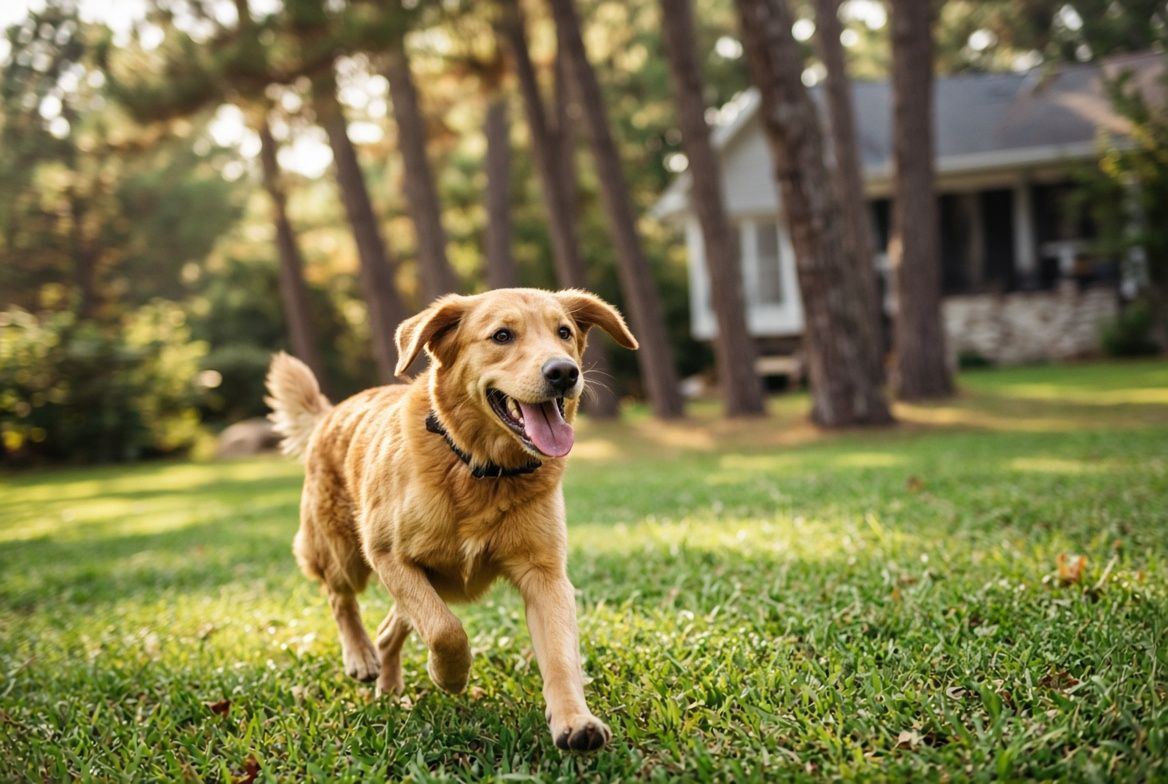
A yard is not a holding pen. For a dog, it is a place to sniff, trot, sprint, and check the neighborhood news.
On a leash, every step is yours. They cannot finish a scent trail. They cannot choose the pace. In Atlanta's wooded neighborhoods, that is a lot of sensory life going unused: squirrels, birds, damp pine straw, the neighbor's grill.
Happy dogs get to be navigators. Safe dogs still have a line they cannot cross. Those two things belong together.
Why Physical Fences Often Fail the Happiness Test
Wood, vinyl, and chain link do keep some dogs in. They also create new problems.
- Jumpers clear five-foot privacy fences like it is a sport.
- Diggers work the gate post until the dirt gives out.
- Leaners loosen pickets one afternoon at a time.
- Smart dogs learn latches.
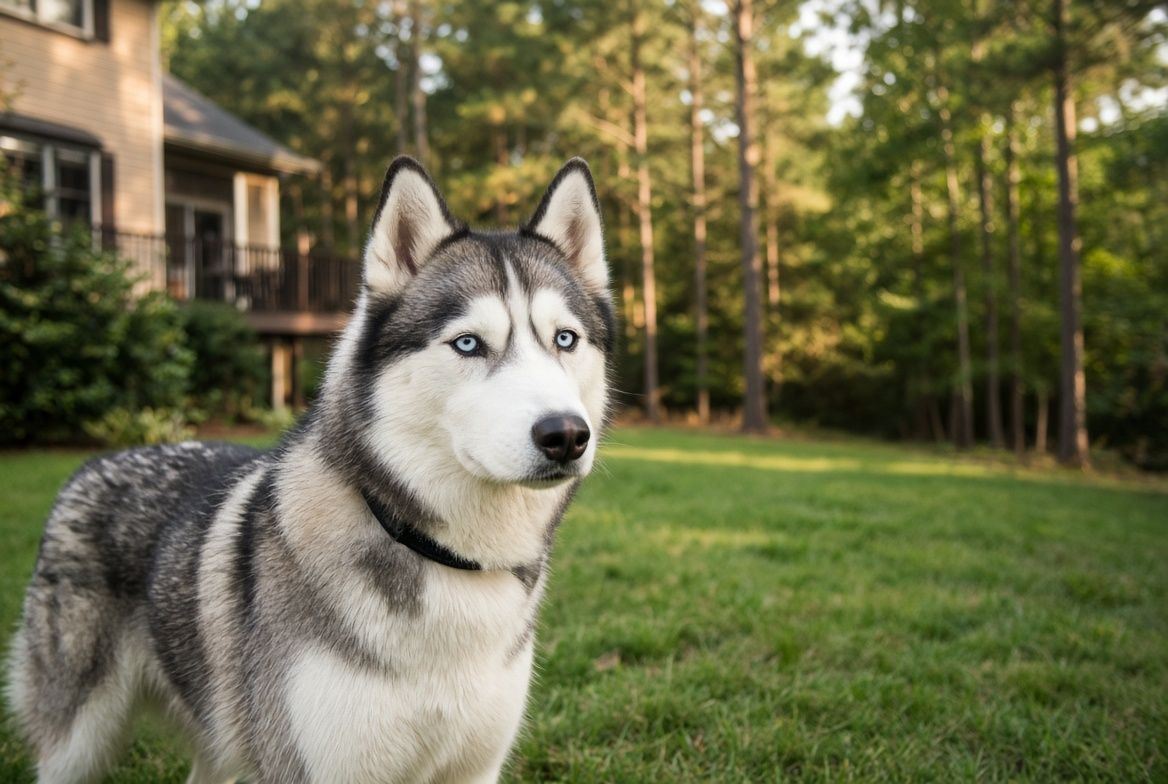
A client's Husky in Cumming cleared a five-foot wood fence twice, then dug under it at the gate. The six-foot replacement quote landed in five figures. The HOA said no. That is a common North Georgia story.
Physical fences also create barrier frustration. The dog can see the truck, the jogger, or the cat. They cannot get there. So they bark, pace, and chew the line. An open sightline with a hidden boundary removes that visual trap.

How a Hidden Underground Pet Fence Creates Safe Autonomy
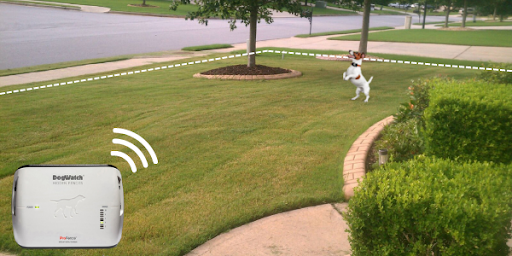
A hidden underground pet fence gives what leash life cannot: safe autonomy. The dog moves freely inside a trained zone. The warning tone, not your arm, marks the edge.
That shift matters for the brain as much as the body. They get to investigate a patch of grass for ten minutes if they want. That sniffing work burns mental energy. It is how dogs read the world.
Atlanta DogWatch has spent 35 years doing one thing across 43 counties of North Georgia: designing and training boundaries that hold, with a 100% containment money-back guarantee. The point is not a gadget. It is a yard the dog can actually use.
What has to be set up right
Three setup choices decide whether the system holds:
- A wide signal field. A sprinting Shepherd covers ground fast. A narrow warning zone is gone before the tone registers.
- A correction range that fits the dog. A sensitive Great Dane and a stubborn Rottweiler should not share one maxed-out setting. Systems like SmartFence and ProFence offer 20 adjustable levels.
- A collar that reaches the skin. Thick coats need the right receiver and contact points. The R9 is built for bigger necks.
Yard size is the other win. A buried-wire system can cover large, wooded, creek-crossed lots that would cost a different tax bracket in wood or chain link.
Field Note: When a dog "runs through" a hidden fence, the autopsy is almost always the same. The warning zone was too narrow, the collar sat on top of the coat, or training stopped a week early. Muscle is rarely the villain. Shortcuts are.
Train the Line Before You Trust the Line
Hardware without training is just wire in the ground. Training a dog to respect a hidden fence looks like any good training, with two adjustments.
First, stage the distractions on purpose. A quiet Tuesday does not prove much. Build up to squirrels, joggers, and the neighbor's cat while the dog is still on a long line.
Second, follow the dog's progress, not the calendar. Most dogs are solid in two to three weeks. A high-drive Husky or hound may need four. Rush the last week and you get run-throughs.
A simple daily drill that sticks
Practice turn-and-reward until it is reflex. Call the dog back from the warning zone and pay them like they won the lottery. Ten minutes a day for two weeks beats one long Saturday session.
Keep these habits in the first month:
- Short sessions, same time of day when you can
- Flags up until the dog is reliable
- No unsupervised off-leash time until the turns are automatic
- Family members using the same cue and the same payoff
Keep the Yard Itself From Working Against You
Containment is only half of yard safety. Walk the property the way a dog would.
- Close gaps under decks, sheds, and playsets.
- Store fertilizer, antifreeze, cocoa mulch, and rat bait where a nose cannot find them.
- Skip xylitol gum and sugar-free anything on patio tables.
- Watch mushrooms after rain. North Georgia yards grow surprises.
- Cover or fence pools and hot tubs as separate no-go zones. A hidden fence can exclude those areas without boxing in the rest of the lot.
- Check for loose compost, chicken bones in the grill bin, and sharp landscaping pins.
If you already have a wood fence you like for privacy, a hidden boundary can still back it up at the gate, the weak corner, and the spot your dog has already mapped as an exit.
Happiness Is Mental Work, Not Just Mileage
A neighborhood walk is good for you. It rarely matches a dog's natural rhythm of trot, sniff, and short sprint.
Off-leash time in a known zone lets them use their full gait. That helps muscle tone and joint range. It also tires them in a way a tight sidewalk loop does not.
Most indoor destruction is boredom with a better marketing department. A dog who spent the afternoon tracking scent and watching the tree line is easier to live with at 7 p.m.
Leash tension changes personality, too. Constant pressure on the neck can make a dog more defensive. They know they cannot step away from a threat. Take the tension off and the calmer dog often shows up.
Yard Reality: No boundaries is not freedom. Plenty of dogs get anxious with a 360-degree job and no edge. A consistent safe zone tells them where their responsibility ends. Predictability builds confidence.
Freedom With a Supervisor, Not a Warden
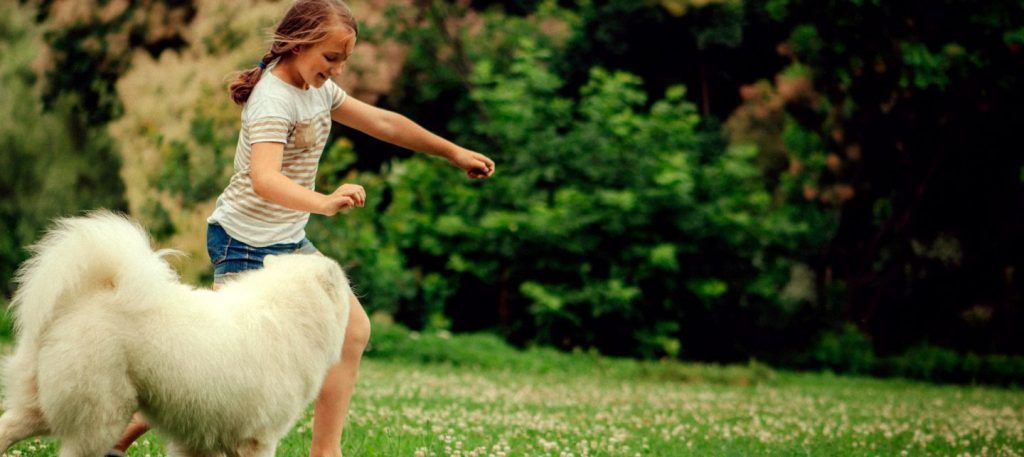
Moving from leash to liberty changes your job. You stop steering every step. You start watching how they use the space.
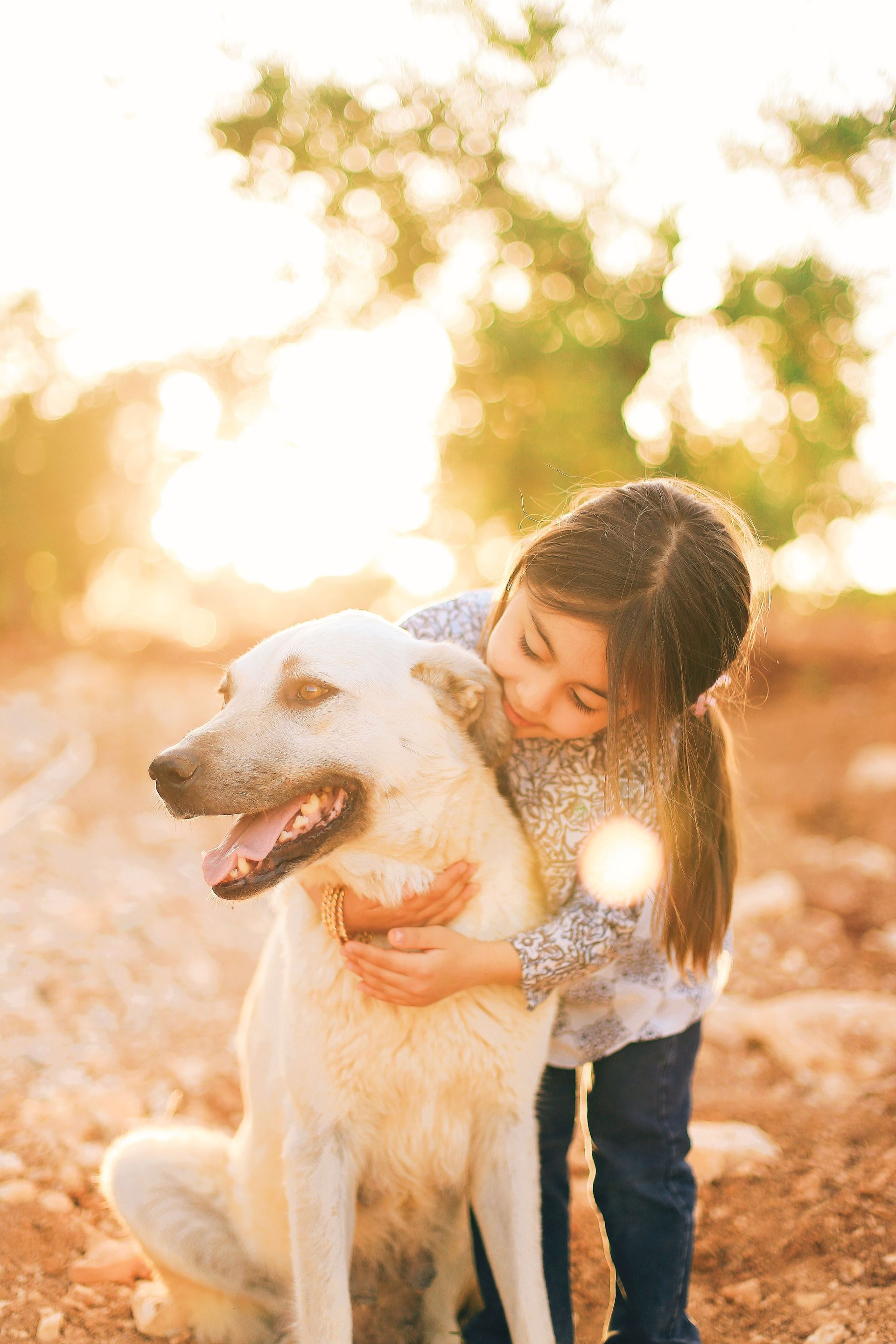
That is the trust piece. The dog learns the yard is theirs to explore and yours to keep honest. You still go outside. You still praise the good turns. You do not hover with a death grip on a six-foot lead.
If you want the system that keeps pets safe without hiding the yard behind a wall, have a local installer walk the lot with you. Cheap kits miss fast dogs. Professional layout and a first training session are what make the "happy" part last.
Home on the Range
A safe, happy yard is a trained boundary plus a dog who gets to choose the next sniff. Size helps. Setup and follow-through decide whether it holds.
Request a free estimate from Atlanta DogWatch and have them design the line around your dog, your trees, and the escape story you already have.
What is the best way to keep your dog safe in your yard?
Give them a clear boundary they have been taught, then let them move freely inside it. Pair that with a hazard sweep for toxins, gaps, and water. Supervision during the training window matters more than any single product.
Can a hidden fence keep a high-drive dog happy, or will they just blow through it?
High-drive breeds can do well when the warning zone is wide, the collar fits the coat, and training includes real distractions. Skip those three and any system looks weak. Finish the training arc and most Huskies and Shepherds settle into the yard instead of treating it like a puzzle.
⭐ 5.0 stars · 689 Google reviews
"We could not get a regular fence because of our HOA, and the hidden fence was the perfect solution for us. It was more affordable than a traditional fence, and it has worked even with temptations like deer, cats, and other dogs."
— DogWatch customer, Alpharetta area
Meet the Owner
Brent Potvin, Owner, DogWatch of Atlanta/Athens
Brent has installed and serviced hidden pet fences across North Georgia for nearly 30 years, and still spends most days in the field. He and his wife Shannon have helped thousands of metro Atlanta families give their dogs safe, off-leash freedom.