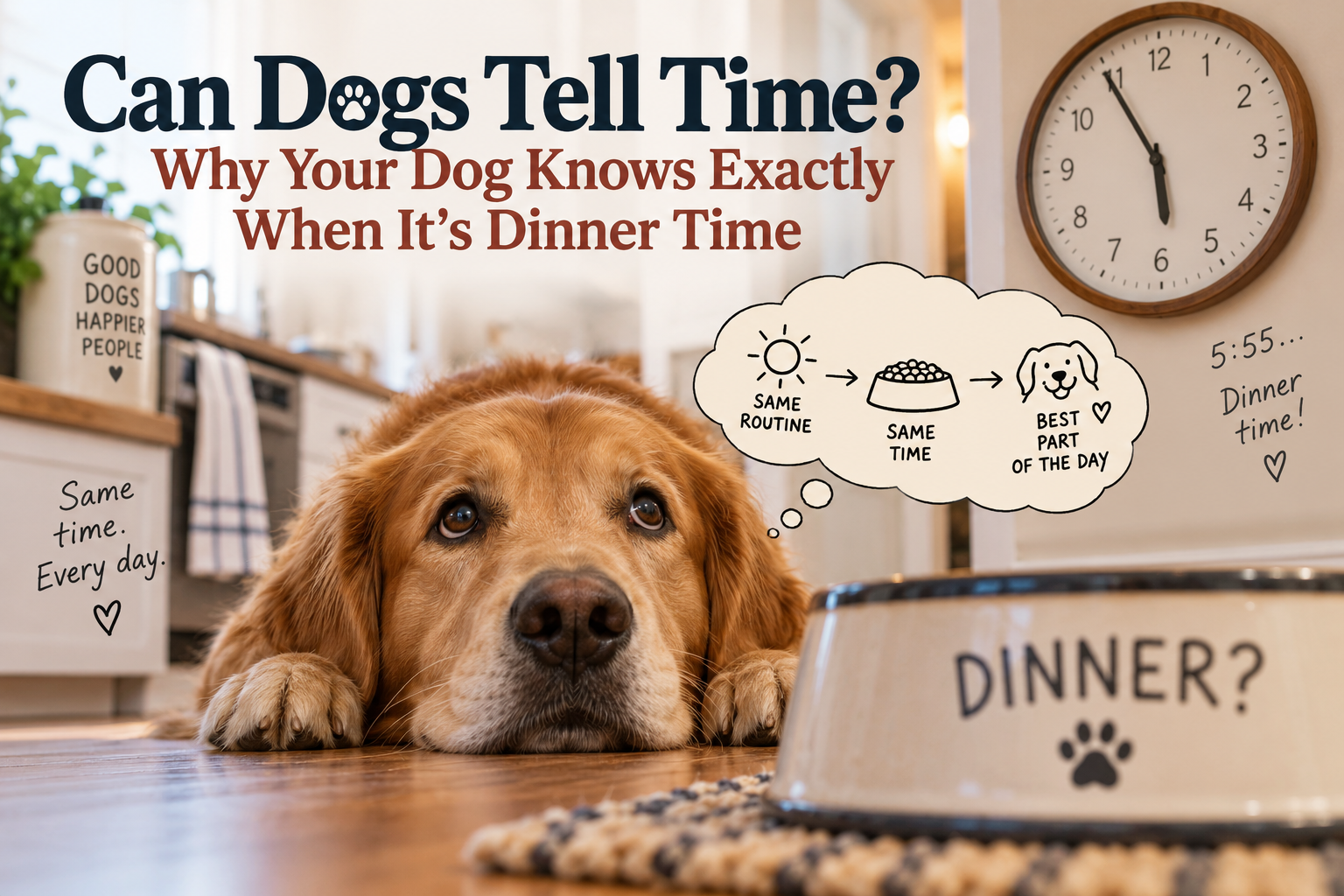
Every dog owner knows the scene. It's 5:55 p.m., and your dog appears in the kitchen, sits down next to the bowl, and stares at you like you owe him money. You haven't touched the food bin. You haven't said a word. So can dogs tell time, or is something else going on? The short answer: dogs can't read a clock, but they track time in ways that are surprisingly accurate, sometimes down to the minute.
There's an old saying about dependable people: "You could set your watch by him." As it turns out, the same goes for the dog camped out next to the dinner bowl.
Can Dogs Tell Time the Way Humans Do?
Not the way we do, no. Your dog has no concept of "6:00" or "Tuesday." What dogs do have is a powerful internal clock called a circadian rhythm, the same biological timekeeper humans run on. It's driven by daylight, hormone cycles, and body temperature, and it tells your dog's body when to feel sleepy, when to feel alert, and when to feel hungry.
If dinner lands at roughly the same time every day, your dog's body starts preparing for it in advance. Digestive hormones ramp up, hunger kicks in, and your dog goes looking for the person who controls the food. That's why the kitchen stare-down starts before you've made a single move toward the bowl.
Canine Fact: A dog's internal clock is tied to daylight, which is why so many dogs demand dinner "early" for a week or two after the fall time changes. Their bodies are still running on the old schedule.
The Nose Knows What Time It Is
Here's where it gets interesting. Alexandra Horowitz, a dog cognition researcher at Barnard College, has suggested that dogs may literally smell the passage of time. Odors in your house weaken and shift in predictable ways over the course of a day. Warm air rises, scent molecules disperse, and your own smell fades at a steady rate after you leave for work.
To a nose with roughly 300 million scent receptors (humans have about 6 million), that fading scent works like an hourglass. It may be why dogs seem to know when you're due home: your scent has thinned to the exact level it always reaches right before your car pulls in.
Trainer's Take: If your dog starts pacing by the door 15 or 20 minutes before you get home each day, that's not a coincidence. It's pattern recognition, a mix of scent cues, light changes, and neighborhood sounds your dog has learned to read.
Routine Is Your Dog's Calendar
Dogs are also expert cue-readers. They chain events together: the coffee maker means morning, the sneakers mean a walk, the jingle of keys means you're leaving. Feed your dog after your own dinner every night, and your fork hitting the empty plate becomes the dinner bell.
Scientists call one version of this "time-place learning" the ability to learn that something good happens at a certain place at a certain time. Feeding time is the strongest anchor in your dog's day because it's the event he cares about most. Everything else gets measured against it.
Canine Fact:
Dogs aren't unique here. Birds, fish, and even honeybees can learn to show up at the right spot at the right time when food is on the line. Your dog just happens to run his experiments in your kitchen.
What a Dog's Sense of Time Means for Training
A dog with a predictable schedule is a calmer, more trainable dog. When meals, walks, and yard time happen at consistent times, your dog spends less energy anticipating and more energy relaxing. Unpredictable schedules tend to produce pacing, whining, and door-dashing, a dog that's always "on" because he never knows what's coming.
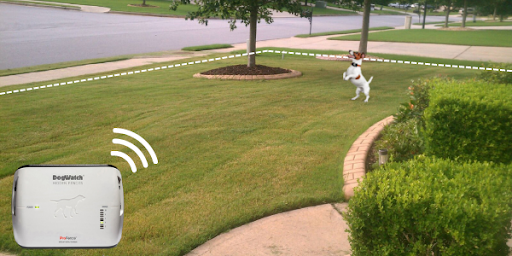
Trainers at DogWatch of Atlanta see this play out during boundary training. Dogs on steady daily routines, with the same feeding window and the same outdoor sessions, pick up their new boundaries noticeably faster, because the training slots into a rhythm the dog already trusts. A consistent schedule also means consistent, supervised yard time, which is exactly when good boundary habits get built. If you're curious about the training process itself, read up on how a hidden fence keeps your pet safe.
Trainer's Take: Keep dinner inside the same 30-minute window every day, including weekends. A rock-solid mealtime anchors the rest of the routine and gives you a built-in, high-value reward for a quick training session right before feeding.
Put That Inner Clock to Work
Your dog's sense of time is a tool you can put to work:
- Feed on schedule. Pick a window and hold to it. A predictable dinner cuts down on begging at random hours, because your dog learns exactly when food comes.
- Train before meals. A hungry dog is a motivated dog. Ten minutes of practice before dinner beats thirty minutes after.
- Make yard time routine. Dogs that get outdoor time at consistent times settle into it instead of treating every trip outside like a jailbreak.
- Watch for changes. A dog that suddenly stops caring about dinnertime may be telling you something. If you use a SmartFence system, the activity tracking in the app makes those shifts easier to spot and appetite changes are always worth a call to your vet.
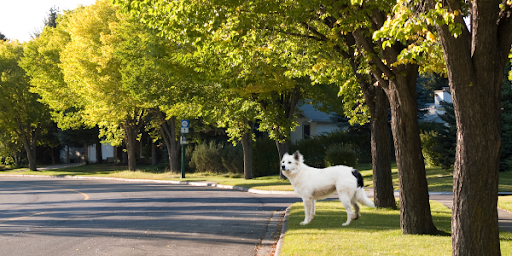
From the Fence Line: One of the most common things we hear from customers: "He's at the edge of the yard every afternoon, right before the school bus turns the corner." Nobody teaches a dog the bus schedule. He works it out himself.
So, can dogs tell time? Not with clocks, but with bodies, noses, and routines that run more precisely than most of ours.
Feed the routine and it pays you back with a calmer dog, easier training, and a lot less 5:55 p.m. guilt-staring. And if safe, off-leash yard time is the part of the routine you'd like to add, request a free quote and our team will map out a boundary that fits your yard.
Frequently Asked Questions
What's the best way to test if my dog can tell time?
Skip your usual pre-dinner cues on a weekend. Don't clear the dishes, don't walk toward the pantry, don't say the magic words. If your dog still shows up at the normal hour, his internal clock is running the show rather than your behavior. Most owners discover it's both: the body clock gets him close, and your cues confirm it.
Do dogs know how long I've been gone?
They notice the difference. Swedish researchers found that dogs greeted their owners more intensely after two hours apart than after 30 minutes, which suggests dogs sense duration even if they can't count the hours. Scent likely plays a part here too, the longer you're gone, the fainter your smell gets.