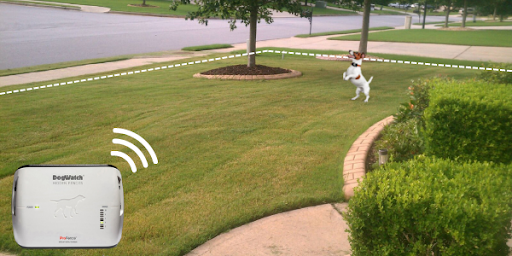
Atlanta yards are beautiful and awkward at the same time. Rolling lots in Buckhead. Dense trees in Marietta. Steep drops that eat a wood fence and leave a gap at the bottom.
A physical barrier often blocks the view you bought the house for. It can also fight your landscaping and your HOA.
A hidden underground pet fence gives your dog a real boundary without the visual clutter of wood or chain link. The yard still looks like your yard. The dog still stays home.
Choosing a containment system is a big decision. It touches your daily routine, your property, and whether you can let the dog out without hovering at the gate. Here are seven reasons a hidden fence is the better fit for an Atlanta home.
1. You Keep the Curb Appeal You Paid For
A traditional fence can make a property feel boxed in. It cuts sightlines and hides the landscaping you already maintain.
A hidden fence stays out of sight. The wire is buried, so there are no posts to rot and no pickets to fade. The house, the trees, and the open lawn stay in front.
That open look is the point. You get containment without turning the lot into a compound.
2. HOA Rules Get Easier, Not Harder
Plenty of Atlanta neighborhoods police fence height, material, and color. Some boards block traditional fences altogether so the street stays consistent.
A hidden fence does not change how the neighborhood looks. You are not waiting weeks for a board packet or gambling on a violation letter. You secure the dog and leave the street view alone.
3. Georgia Weather Stops Winning
Humidity, summer storms, and falling limbs chew through wood. Boards warp. Stain fails. One storm can open an exit your dog will find before you do.
A buried system sits under the soil, so wind and impact are not knocking sections down. You are not patching a hole at dusk while the dog stands at the gap.
4. You Use More of the Lot, Not Less
Physical fences often need setbacks from property lines and easements. That leftover strip is dead space for the dog.
A low-profile boundary can usually run closer to the actual edge. Your dog gets more room to run. You can also protect flower beds or a pool without building a second fence inside the first one.
5. The Math Is Kinder Than Privacy Fence Math
A full wood or privacy fence is a large check: materials, labor, then pressure washing, staining, and board swaps for years.
A hidden fence costs less to install and less to keep. Containment is equal or better for many dogs, without the repair cycle.
6. Slopes Stop Being Escape Routes
Atlanta elevation is not theoretical. A “straight” wood fence on a hill leaves triangular gaps at the bottom. Curious dogs treat those gaps as doors.
A hidden fence follows the contour. Steep slope, terraces, or a drop toward the trees, the signal stays consistent. You do not inherit a weak point because the ground would not sit still.
7. The Boundary Lives in the Dog’s Head
Hardware is only half the job. Dogs learn the line with flags on the lawn and a tone from the collar.
Most pets pick up the safe zone in a few guided sessions. That mental line is often harder to defeat than a picket they can jump, dig under, or lean on. Once they know the limit, they can use the yard without you holding the leash.
Mistakes That Blow Up Pet Containment
- Treating a wood fence as climb-proof for athletic breeds
- Buying a store kit and skipping professional layout and training
- Ignoring collar battery checks
- Expecting a hidden fence to work the day the wire goes in
- Forgetting that a drive-through gate is still an open door on a physical fence
How Installation Actually Goes
- Site consultation. Walk the yard with a professional and map the real edges.
- Custom design. Front, back, side yards, and no-go zones like a pool or garden.
- Installation.
Bury the wire with the right equipment for your soil and trees.
- System setup. Set the transmitter and test signal strength.
- Collar fit. Adjust the receiver so contact points reach the skin.
- Training. Guided sessions until the dog turns at the warning, not after it.
- Flag removal.
Take the visual markers down only after the habit is solid.
Worth Knowing
Plenty of dogs who jump or dig a traditional fence stay put on a hidden system. The warning happens before they reach the edge, so they never rehearse the escape.
The Steep Backyard Problem
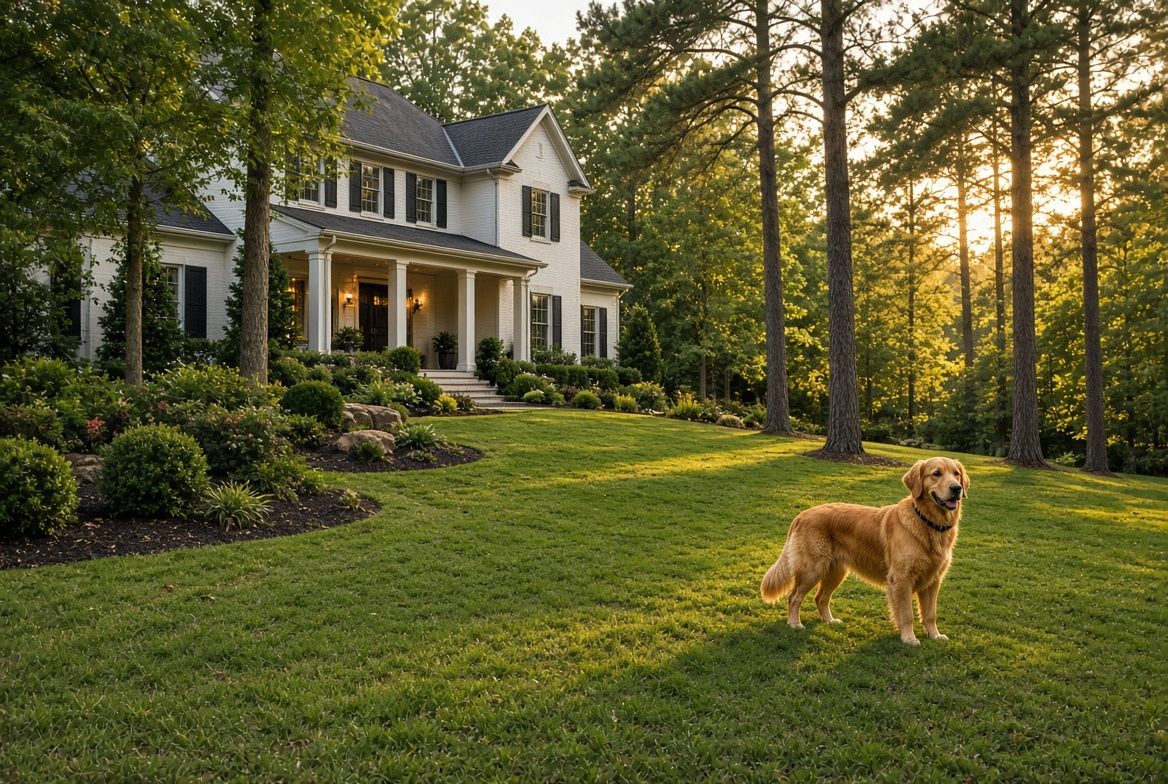
Picture a North Atlanta lot that falls into a wooded ravine. A wooden fence would be miserable to build and would kill the forest view. A hidden fence kept the view, skipped a construction bill that did not make sense, and stopped a Golden Retriever from chasing deer into the trees.
That is the Atlanta case in one yard: keep the land, keep the look, keep the dog.