What Freedom Means to a Dog
By Atlanta DogWatch • June 12, 2026
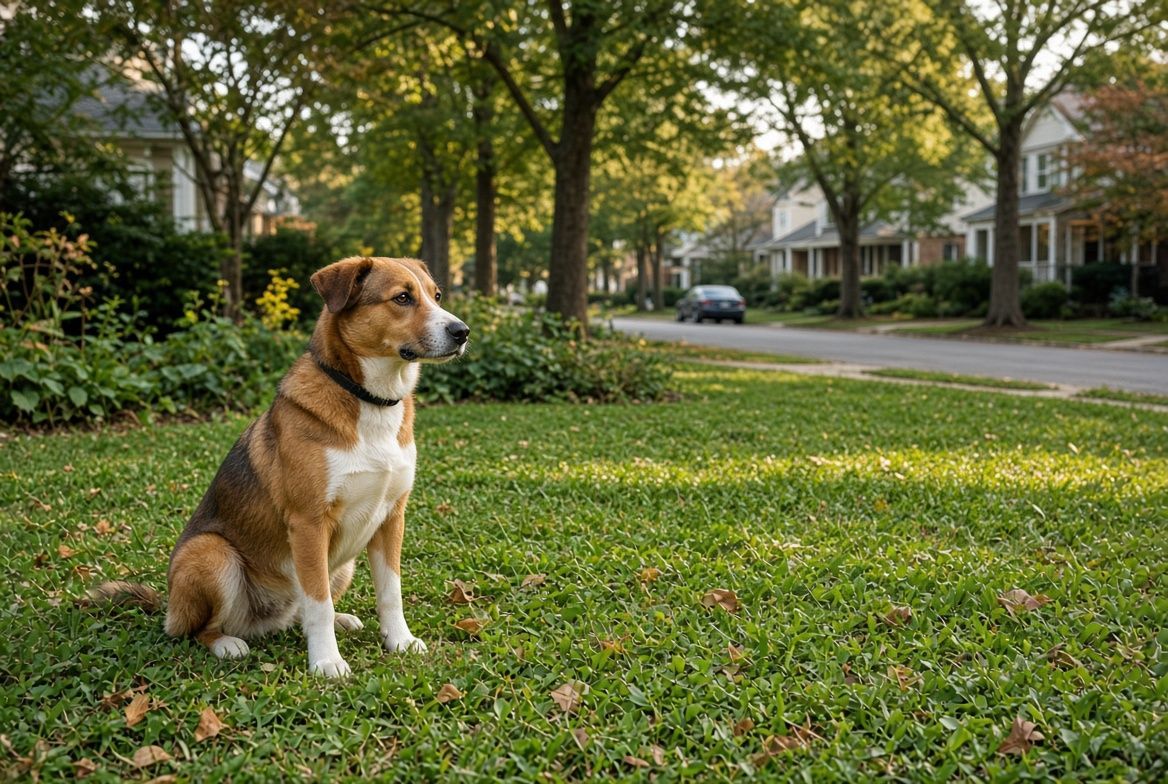
For a dog, freedom is not just about having a large space to run. It is about the ability to make choices. When a dog is on a leash, every movement is dictated by a human. They cannot follow a scent to its conclusion or investigate a sound at their own pace.
A hidden underground pet fence provides what we call safe autonomy. It allows your dog to explore their environment without the constant physical correction of a leash. This shift in lifestyle has a profound impact on their mental and emotional well-being.
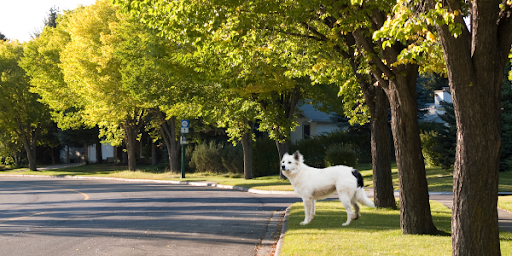
In Atlanta’s wooded neighborhoods, the world is full of sensory data. Squirrels, birds, and the scent of the humid earth provide endless entertainment. Giving your dog the freedom to engage with these elements safely is a significant gift for their development.
The Sensory Revolution: Reading the Neighborhood News
A dog’s primary way of experiencing the world is through their nose. On a walk, owners often pull them away from scent trails because there is a destination in mind. In a fenced yard, the dog becomes the navigator.
They can spend ten minutes investigating a single patch of grass if they choose. This olfactory exploration is vital for their brain health. It processes information, burns mental energy, and satisfies their natural instincts. This leads to a more balanced and relaxed animal at home.
Building Confidence Through Consistent Boundaries
Many people assume that a total lack of boundaries equals freedom. For a dog, however, no boundaries can actually lead to anxiety. They may feel the need to constantly monitor every direction for potential threats or visitors.
A hidden fence provides a consistent safe zone. Once the dog understands where the boundary lies, they can relax. They know exactly where they are protected and where their responsibility ends. This predictability builds a much more confident and relaxed pet that understands their place in the environment.
Reducing Barrier Frustration and Anxiety
Traditional fences can sometimes cause barrier frustration. This happens when a dog sees something outside the fence but cannot reach it, leading to frantic barking or digging at the physical wall. Because a hidden fence is invisible, that specific visual stressor is removed.
Dogs often feel less trapped when they have a clear line of sight. Combined with the ability to move freely within their zone, this significantly lowers cortisol levels. You will likely notice a dog that is less reactive to neighbors, squirrels, or delivery trucks because they don’t feel “penned in.”
The Physical Benefits of Unrestricted Movement
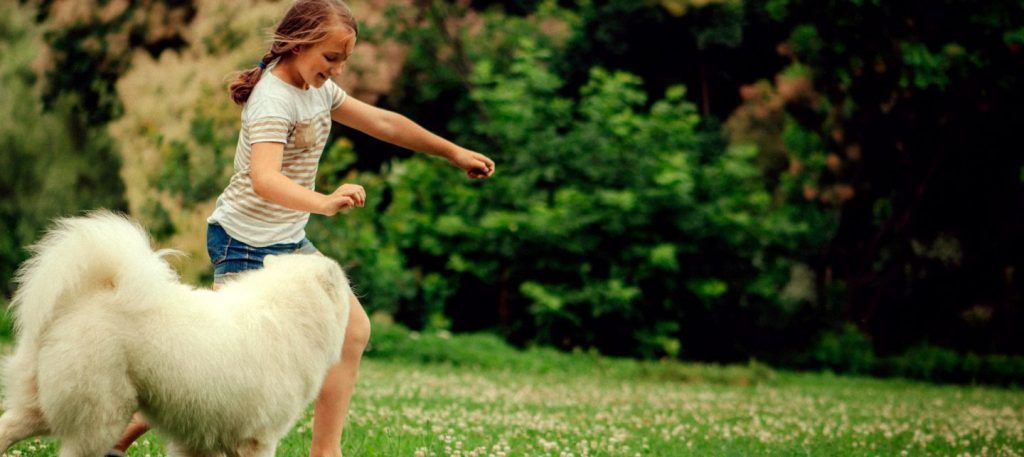
Walking on a leash is great exercise for humans, but it rarely matches a dog’s natural gait. Most dogs prefer a rhythm of trotting, sniffing, and occasional sprinting that a leash simply doesn’t allow.
Off-leash freedom allows them to hit their top speed and engage their full range of motion. This leads to better joint health and muscle tone over time. It also ensures they are physically tired in a way that a standard neighborhood walk cannot achieve on its own.
Mental Stimulation: The Key to a Tired Dog
A bored dog is often a destructive dog. Most behavioral issues in the home stem from a lack of mental engagement. When a dog has the freedom to explore a yard, they are constantly solving sensory puzzles.
They are tracking movements, identifying scents, and monitoring their territory. This mental work is often more exhausting than physical running. A dog that has spent the afternoon exploring a yard is much more likely to be calm and settled indoors during the evening.
Why Leash Tension Changes Your Dog’s Personality
The Psychology of the Six-Foot Lead
When a dog feels tension on a leash, it often sends a subconscious signal of stress. They may become more defensive or reactive because they know they cannot move away from a perceived threat. Freedom removes this tension entirely, allowing the dog’s true, relaxed personality to shine through.
Implementing Freedom: The Transition Process
Moving from Leash to Liberty
Transitioning to a hidden fence requires a shift in how you interact with your pet. You move from being a controller to a supervisor. This builds a bond of trust between you and your dog as they learn to navigate their independence responsibly within the set boundaries.
Common Mistakes When Introducing Yard Freedom
- Leaving a dog unattended before they have fully completed boundary training.
- Assuming a tired dog doesn’t need any more human interaction or play.
- Failing to provide fresh water and shaded areas in the new freedom zone.
- Expecting a dog to know the limits instinctively without the visual flag phase.
- Using the yard as a total replacement for walks and external socialization.
- Forgetting to check the collar fit as the dog’s coat changes with the seasons.
Step-by-Step: Transitioning Your Dog to Off-Leash Life
- Complete the professional boundary training using visual flags as guides.
- Spend supervised play time in the yard to build positive associations with the space.
- Observe your dog’s reaction to outside stimuli while they are off-leash but supervised.
- Gradually increase the duration they spend alone in the protected area as they show reliability.
- Monitor their indoor behavior for signs of improved relaxation and reduced anxiety.
- Remove the flags one by one over several weeks as they demonstrate total awareness.
The Freedom Checklist for Pet Parents
- Confirm the collar and any other training products are charged and functioning correctly each morning.
- Ensure the yard is clear of any dangerous debris or fallen tree limbs.
- Verify the transmitter is showing a clear and active signal.
- Provide interactive toys or “busy bones” in the yard to encourage productive play.
- Schedule check-in moments where you call your dog back to the house for a treat.
- Inspect the boundary area for any new landscaping changes that might affect the wire.
Did You Know?
Did you know that sniffing is a self-soothing behavior for dogs? When a dog is allowed to sniff freely in their own yard, it actually lowers their heart rate and helps them recover from stressful events, like a loud thunderstorm, much faster.
Mini Example: The Reactive Rescue
A rescue dog in a busy Atlanta neighborhood was highly reactive to other dogs on walks, making daily exercise a stressful chore for the owners. After installing a hidden fence, she was able to burn off her energy in the backyard at her own pace. Within a month, her owners noticed she was significantly calmer and less anxious even during the few times she did need to go out on a lead.
Frequently Asked Questions
Does yard freedom mean I should stop walking my dog?
No, walks are still excellent for socialization and bonding. However, the yard provides the daily sensory fulfillment that a structured walk often misses.
Will my dog get lonely in the yard by themselves?
Most dogs enjoy a balance of social time and alone time to explore. As long as they have access to the family and a comfortable environment, they thrive with independence.
How do I know if my dog is ready for total freedom?
If your dog consistently turns away from the boundary flags without needing a correction, even when distracted, they are likely ready for the next phase.
Is it safe to leave them out while I am at work?
We recommend being home while your dog is in the yard until they have several months of perfect boundary history and you are confident in their habits.
What is the best way to encourage play in the yard?
The most effective way is to engage with them initially. Use fetch or hide-and-seek to show them that the entire yard is a safe place for fun and games.
Can freedom improve a dog’s appetite or sleep?
Yes, increased physical activity and significantly lower stress levels often lead to more consistent eating habits and deeper, more restful sleep.
Is a hidden fence better for high-energy breeds?
High-energy breeds specifically benefit from the ability to sprint and move naturally, which helps prevent the behavioral issues often caused by pent-up energy.
⭐ 5.0 stars · 689 Google reviews
"We could not get a regular fence because of our HOA, and the hidden fence was the perfect solution for us. It was more affordable than a traditional fence, and it has worked even with temptations like deer, cats, and other dogs."
— DogWatch customer, Alpharetta area
Meet the Owner
Brent Potvin, Owner, DogWatch of Atlanta/Athens
Brent has installed and serviced hidden pet fences across North Georgia for nearly 30 years, and still spends most days in the field. He and his wife Shannon have helped thousands of metro Atlanta families give their dogs safe, off-leash freedom.
Latest Posts