Your dog isn't the puppy who used to clear the porch steps in one leap. The muzzle is grayer. The naps are longer. And somewhere along the way, the world got a little more confusing for them.
Most people file invisible dog fences under "containment for young escape artists." For senior dogs, a consistent, gentle boundary does something different: it lowers stress. It replaces confusion with predictability, and predictability is exactly what an aging dog craves.
If you're reading this, you've probably already noticed the signs. Maybe your 12-year-old Lab paces at the back door, or wanders to a corner of the yard and seems unsure how she got there. This article explains why that happens, and why an invisible boundary helps.
Why Aging Changes How Your Dog Sees the Yard
A yard your dog has known for a decade can start to feel unfamiliar. Two things drive that shift.
Fading senses, growing uncertainty
As dogs age, hearing and eyesight decline. A senior dog may not hear your call from across the yard or spot the property line landmarks they once knew by heart. Dogs that never wandered in their prime sometimes start drifting off the property, not out of rebellion but because their internal map is getting fuzzy.
That's a real safety problem in North Georgia, where wooded lots, creeks, and busy roads sit close to backyards from Roswell to Athens.
Cognitive changes and the need for routine
Many older dogs develop some degree of cognitive decline, similar in ways to dementia in humans. Common signs include pacing, confusion in familiar places, and restlessness at dusk. Veterinarians consistently recommend one thing to manage it: routine. Same schedule, same spaces, same rules.
Senior dog anxiety feeds on unpredictability. Anything that makes the world more consistent makes it less stressful.
How an Underground Dog Fence Creates Calm Through Consistency
A
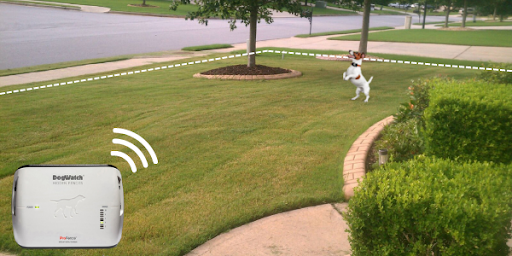
hidden fence works because it never changes. The line is in the same place every morning, every season, every walk around the yard. Your dog learns it once, and the collar's warning tone reminds them gently long before they reach it.
That consistency does something powerful for an aging brain: it removes decisions. Your dog no longer has to figure out where the yard ends or whether that deer trail is worth following. The boundary answers the question for them, the same way every time.
Compare that to a senior dog's alternatives. A tie-out creates frustration and tangle hazards. Being kept indoors shrinks their world just when mental stimulation matters most. A hidden fence splits the difference: full run of the yard, zero guesswork. If you want the mechanics, here's a full breakdown of how invisible pet fences work.
🐾 Worth a Second Look: If your older dog has started wandering, it's rarely disobedience. Sensory decline quietly erases the landmarks dogs use to self-police their territory. A boundary they can
hear through the collar's tone compensates for the eyes and ears that aren't what they used to be.
Gentler Than Most People Expect
The word "shock" scares off a lot of senior-dog owners, and fairly so. Nobody wants to startle a 13-year-old dog.
Modern systems don't work the way people imagine. Most well-trained dogs respond to the warning tone alone and rarely, if ever, contact the correction. Correction levels are adjustable per dog, so a gentle, low setting can be matched to an older pet's sensitivity and temperament.
DogWatch systems add a layer that matters specifically for anxious dogs: a patented FM radio signal. AM-based systems (including some big-name competitors) can trigger false corrections from stray signals like garage door openers. A false correction in the middle of the yard is exactly the kind of unpredictable event that rattles a senior dog. The FM SafeLink signal filters that interference out, so the boundary only speaks when it should.
Physical Fences vs. Hidden Boundaries for Older Dogs
A physical fence seems like the obvious answer, but it has quirks that work against seniors. Gates get left open. One open gate is all it takes for a disoriented dog to slip out. Fences also create barrier frustration in dogs who patrol and bark at what they can see through the slats.
A hidden boundary has no gate to forget. It covers terrain a wood fence can't handle, including the slopes, tree lines, and creek beds common across metro Atlanta properties. And it can do something a physical fence can't: protect your dog
inside the yard. Installers can loop the boundary around pools, koi ponds, or steep grades — real hazards for a dog with stiff joints and dimming vision.
Atlanta DogWatch has built a reputation across 43 counties of North Georgia for exactly this kind of tailored layout work. Since 1990, their installers have designed boundaries around the quirks of each property, and they stay through the first training session, which matters twice as much when the trainee is a senior. Their professional installation process is built around the dog, not just the wire.
Can You Train an Older Dog on an Invisible Fence?
Yes, and often more easily than a puppy. Senior dogs have longer attention spans, established recall, and years of reading your cues. The training just needs a gentler pace.
What that looks like in practice: shorter sessions of 10 to 15 minutes, boundary flags left up a bit longer than you would for a young dog, tone-only mode at the start, and plenty of treats. Most seniors learn the boundary within a week or two. The team's training best practices guide walks through the full progression.
🦴 From the Field: Train your senior at their best hour. Older dogs are typically sharpest mid-morning — after breakfast, before the afternoon slowdown. Avoid dusk sessions entirely; that's when age-related restlessness peaks, and you want the boundary linked to calm, not confusion.
One honest caveat: a dog with advanced cognitive decline who can no longer retain new routines may not be a fit, and a reputable installer will tell you so. For dogs in the early or middle stages, though, the structure of boundary training often becomes a highlight of their day. Old dogs love having a job, and "remember the line" is a good one.
Old Dog, New Peace of Mind
Your senior dog doesn't need a bigger world. They need a safer, more predictable one. An invisible dog fence delivers both: the freedom to sniff every corner of the yard they love, and a consistent boundary that quietly does the remembering for them.
If your older dog is showing signs of wandering or restlessness, request a free quote from Atlanta DogWatch at 770-753-2662. A yard visit costs nothing, and the peace of mind lasts for all the years you have left together.
FAQs
What's the best invisible dog fence for an older dog?
The best invisible dog fence for a senior is one with adjustable, low correction levels, a reliable FM signal that prevents false corrections, and professional training support. DogWatch systems check all three boxes, and the 2-year collar battery means fewer handling sessions for dogs that dislike having their collar fussed with.
Will an invisible fence stress my senior dog out more?
When trained gradually, the opposite is typical. The boundary becomes a fixed, known part of their routine, and routine reduces anxiety in aging dogs. Start with tone-only mode, keep sessions short, and let your dog succeed early and often. Most seniors settle into the boundary within two weeks.