

Raising a Happy, Healthy Puppy: A Complete Guide for New Pet Owners 


By Atlanta DogWatch • July 3, 2025

Raising a puppy requires patience and effort, but the rewards are endless. Start with the basics—vet care, proper nutrition, and a safe environment. Engage your puppy with toys and training to help them grow into a well-behaved adult dog. Don’t forget to invest in underground dog fences for safety to ensure your puppy can enjoy outdoor freedom while staying protected. With the right preparation and care, you’ll build a bond that lasts a lifetime. Now, go enjoy those puppy cuddles and wagging tails!

1. First Steps with Your New Pup

Before anything else, schedule a vet visit. A veterinarian will assess your puppy’s overall health, start a vaccination schedule, and discuss topics like parasite protection (fleas, ticks, and heartworms). Vaccines are critical for protecting your puppy from illnesses like parvovirus, distemper, and rabies. Most puppies will require a series of vaccinations over the first year of life, so plan for regular visits. 

Essentials for Your First Vet Visit:

  • Bring any medical records you received from the breeder or adoption agency. 
  • Ask about spay/neuter options and timing. 
  • Discuss proper puppy nutrition and feeding schedules. 

2. Puppy Food and Nutrition 

Puppies grow fast, and their nutrition needs are different from adult dogs. Look for high-quality puppy food tailored to their size and breed. Puppies usually need to eat three to four times a day until they’re about six months old, after which you can reduce meals to twice daily. 

Make sure your puppy always has access to fresh water, and avoid giving them table scraps or human food—it can upset their stomach and lead to bad habits.

3. Toys and Supplies 

Your puppy’s development is fueled by play and exploration! Stocking up on toys can help keep your puppy entertained and prevent destructive chewing. Soft toys, chewable teething toys, and treat-dispensing puzzle toys are perfect for young pups. 

You’ll also need:

  • A collar and ID tag 
  • A properly sized leash and harness 
  • A comfortable bed 
  • Food and water bowls 
  • Puppy pads (for housetraining) 

4. Puppy Training 101 

Training your puppy is an ongoing process, but establishing good habits early on is key. Here’s where to start:

  • Housetraining : Be consistent with feeding and bathroom breaks. Take your puppy outside frequently, especially after eating or sleeping, and reward them for going to the right spot. 
  • Basic commands : Teach basic commands like “sit,” “stay,” and “come.” Positive reinforcement (treats, praise) works wonders! 
  • Crate training : A crate helps with housetraining and gives your puppy a safe place to rest. Make it cozy with a blanket or bed, but don’t use it as punishment. 

Training doesn’t stop with the basics. Socialization is equally important—expose your puppy to new people, other pets, and a variety of environments to build their confidence.

5. Time for Tail-Wagging Adventures 

Once your puppy is fully vaccinated, they’ll be ready for outdoor adventures! Whether exploring the backyard or going on walks, giving your puppy safe outdoor freedom is very important. This is where a DogWatch Hidden Fence can make a huge difference. 

Why Choose a DogWatch Hidden Fence? 

A DogWatch Hidden Fence isn’t just any pet containment system—it’s an advanced setup designed to keep your puppy safe while giving them the freedom to roam and play. It’s a professionally installed underground fence that works with a collar to gently keep your puppy within safe boundaries. 

Here’s how a DogWatch Hidden Fence benefits you and your puppy:

  • Safety First : Prevents your puppy from wandering into busy streets or unsafe areas. 
  • Freedom for Fun : Your puppy can run, play, and explore without getting lost. 
  • Training Assistance : The fence reinforces boundary training with consistent reminders. 
  • Peace of Mind : You’ll feel confident knowing your puppy is safe, even when you’re not watching. 

DogWatch Hidden Fences are customized to fit your yard and include features like long-lasting collar batteries and smartphone monitoring via the SmartFence app. It’s truly a game-changer for puppy parents who want both safety and freedom for their furry friends.

6. Caring for Your Puppy’s Health 

Schedule regular vet visits for checkups, and keep up with grooming—brush their coat, trim their nails, and clean their ears to maintain their overall hygiene. Puppies lose their baby teeth around 4-6 months old, so try to include dental chews in their routine to promote healthy teeth and gums.

7. Setting Up for Success 

Bringing home a new puppy is a heartwarming and exciting time, but it also comes with important responsibilities. From vet visits to vaccinations, there’s much to plan for to ensure your furry friend starts on the right paw. Along with proper care and training, creating a secure outdoor space is essential for their safety and happiness. With options like hidden dog fences for puppies, you can provide them with the freedom to explore while keeping them safely contained. Here’s a step-by-step guide to help you raise a happy, healthy puppy.

Test Your Puppy Raising Knowledge

  1. Why are vaccines important for puppies?
      A. They provide nutrition
      B. They protect against serious illnesses
      C. They are only for emergencies
      D. They help puppies grow faster 

Correct Answer : B. They protect against serious illnesses.
Why : Vaccines shield puppies from diseases like parvovirus, distemper, and rabies, which can be life-threatening. 


  1. What is the recommended feeding schedule for puppies under six months?
      A. Once a day
      B. Twice a day
      C. Three to four times a day
      D. Feed only when hungry 

Correct Answer : C. Three to four times a day.
Why : Puppies have fast metabolisms and need small, frequent meals to support their growth. 


  1. What is the purpose of crate training?
      A. To punish bad behavior
      B. To provide a safe and comforting space
      C. To keep the puppy outside
      D. To replace house training 

Correct Answer : B. To provide a safe and comforting space.
Why : Crates help with housetraining and give puppies a secure spot to rest and relax. 


  1. What is one benefit of the DogWatch Hidden Fence?
      A. It eliminates the need for a leash
      B. It allows puppies complete freedom without supervision
      C. It keeps puppies safe within boundaries
      D. It requires no training at all 

Correct Answer : C. It keeps puppies safe within boundaries.
Why : The fence uses gentle reminders to reinforce boundaries, making sure that your puppy stays safe while playing outdoors. 


  1. What type of toys are best for puppies?
      A. Hard toys for adult dogs
      B. Soft, chewable, and teething toys
      C. Toys with sharp edges
      D. No toys are needed 

Correct Answer : B. Soft, chewable, and teething toys.
Why : These toys support teething and help prevent destructive chewing on household items. 


  1. When can puppies start exploring outdoors?
      A. Immediately after birth
      B. Once they’re fully vaccinated
      C. After their first vet visit
      D. Anytime, as long as they’re on a leash 

Correct Answer : B. Once they’re fully vaccinated.
Why : Vaccinations protect puppies from diseases they might encounter outside. 


  1. What is the most important aspect of raising a well-behaved puppy?
      A. Strict punishment for bad behavior
      B. Consistent training and socialization
      C. Keeping them indoors at all times
      D. Feeding them treats all-day 

Correct Answer : B. Consistent training and socialization.
Why : Training helps puppies learn commands, while socialization builds confidence and reduces fear in new situations. 


⭐ 5.0 stars · 689 Google reviews

"We could not get a regular fence because of our HOA, and the hidden fence was the perfect solution for us. It was more affordable than a traditional fence, and it has worked even with temptations like deer, cats, and other dogs."
— DogWatch customer, Alpharetta area


Meet the Owner

Brent Potvin, Owner, DogWatch of Atlanta/Athens
Brent has installed and serviced hidden pet fences across North Georgia for nearly 30 years, and still spends most days in the field. He and his wife Shannon have helped thousands of metro Atlanta families give their dogs safe, off-leash freedom. 

Latest Posts

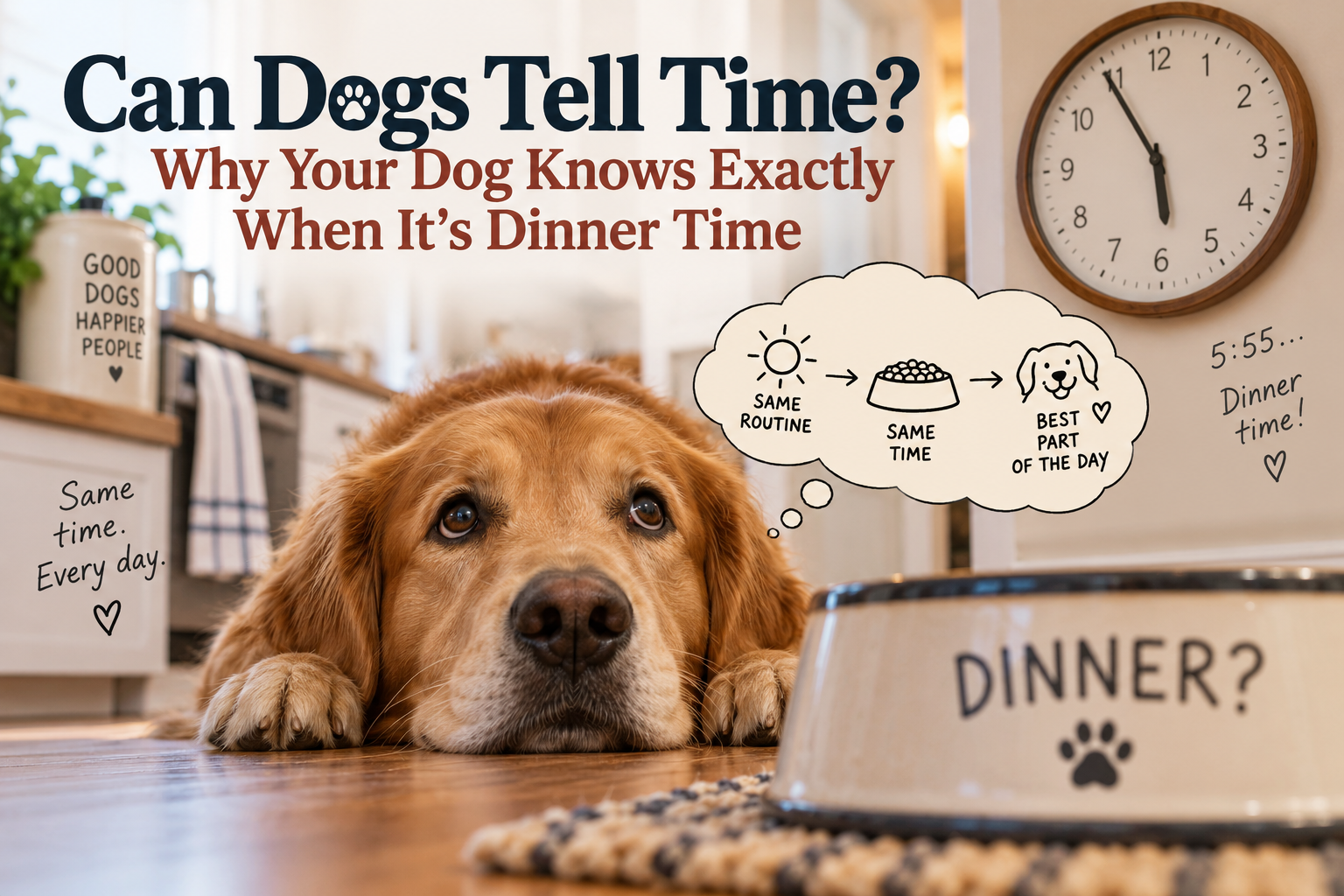
Can Dogs Tell Time
By DogWatch • September 4, 2026
Can dogs tell time? Sort of. Learn how your dog’s internal clock, nose, and daily routine tell him exactly when dinner is coming.
girl playing with dog
By Brent Potvin • August 28, 2026
Are you trying to decide if you should install your electronic hidden fence system yourself? If so, here is everything you need to know beforehand.
girl with dog
By Brent Potvin • August 28, 2026
Find out how a trained protection dog can benefit your new family. Get safety, security, and a lovable addition to your household!
By Brent Potvin • August 28, 2026
Learn why your freewheeling Fido or roaming Rover may have a strong drive to escape without the needed exercise or tools like a hidden dog fence.
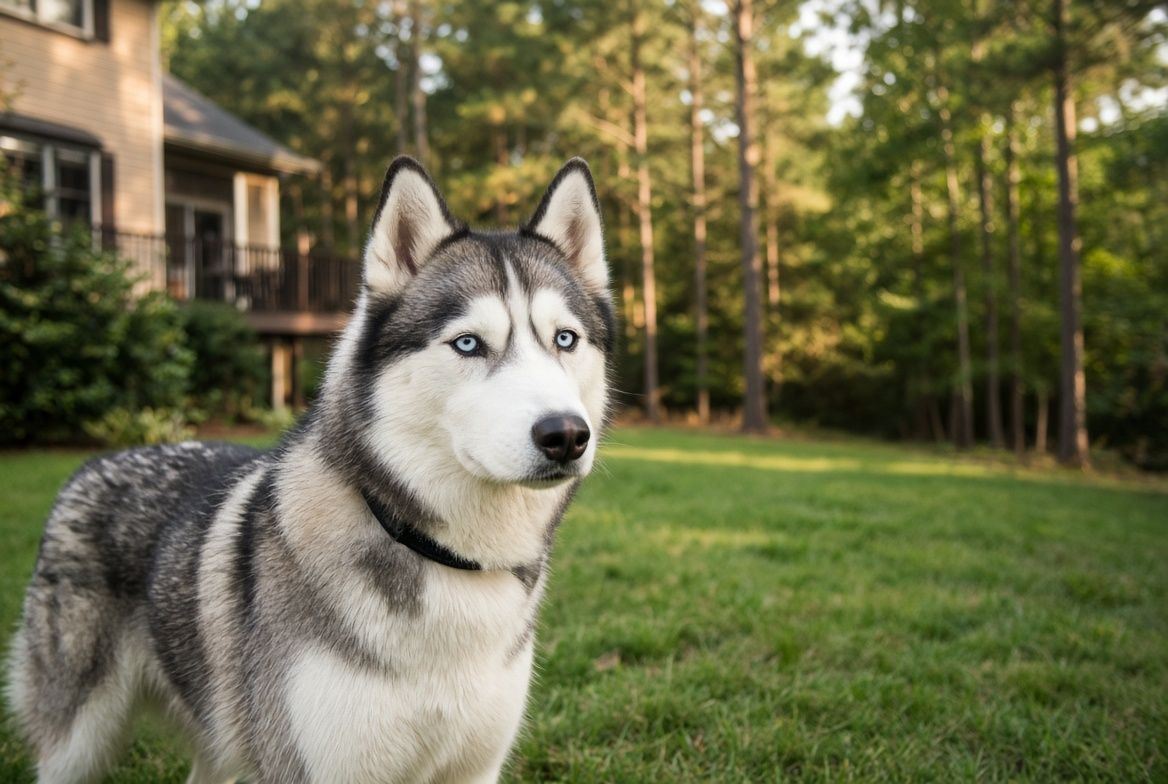
Underground Fences for large dogs
By Brent Potvin • August 27, 2026
Yes, underground dog fences work for large dogs — even Huskies and Shepherds. Here's what stops 90 pounds of momentum, and what training makes it stick.
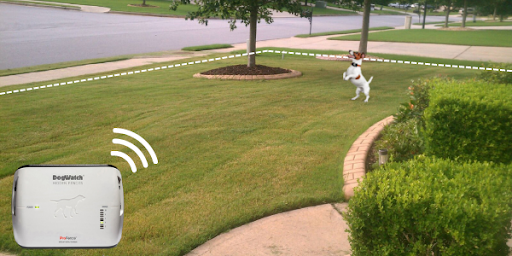
Invisible Dog Fence for Older Dogs
By Brent Potvin • August 5, 2026
Older dogs crave routine and safety. Learn how an invisible dog fence reduces stress for aging pets and keeps senior dogs happy in North Georgia yards.

Show More