Your Dog Safety Checklist
By Atlanta DogWatch • July 1, 2025

If you’re a dog parent, your pup’s safety is always your top priority. But knowing how to keep them safe at home, outdoors, or even on the go can feel overwhelming. That’s where a practical and detailed safety checklist comes in.
Here’s a comprehensive guide to make sure your furry family member is happy, healthy, and secure—wherever life takes you.
1. Home Safety Essentials
Your home is your dog’s haven, but everyday items can pose risks. Here’s how to make your home a pet-safe zone:
- Dog-Proof Your Space: Move hazardous items like cleaning supplies, medications, and small choking hazards out of reach. Store these in locked cabinets or high shelves.
- Secure Electrical Cords: Hide or cover wires to prevent your pup from chewing on them.
- Safety Gates: Use baby gates to block off areas that may contain unsafe items or are off-limits (like the kitchen or stairs).
- Choose Non-Toxic Plants: Avoid plants that are toxic to pets, like lilies, aloe vera, or philodendrons.
- Temperature Regulation: Ensure your home stays cool during the summer and warm in the winter. Avoid leaving your dog in hot or cold rooms for long stretches.
- Secure Windows and Doors: Check that doors and screens are sturdy, especially if your dog gets excited when spotting wildlife or visitors.
Creating a safe environment prevents accidents and ensures your dog can explore their domain worry-free.
2. Outdoor Safety Tips
Spending time outdoors is a highlight of your dog’s day, but the great wide world comes with its own set of risks. Follow these tips to keep your pup safe in the yard or on adventures:
- Use a Hidden Dog Fence: For dogs who love the outdoors, a
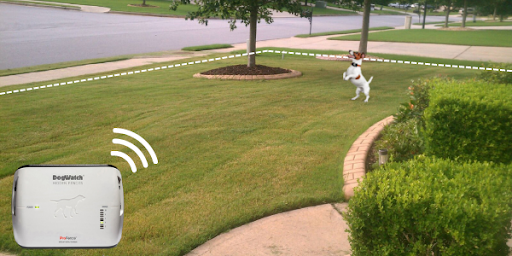
hidden dog fence like DogWatch is a must. Unlike traditional fences, hidden fences form invisible boundaries that allow your dog to roam freely while staying safe. With customizable zones, you can keep your pup out of areas like flowerbeds or pools without restricting their overall freedom. Between reducing the risk of escape and preventing accidents, this is one investment you’ll never regret.
- Secure Outdoor Spaces: If you don’t use a hidden fence, ensure any gates or traditional fencing are escape-proof. Watch for gaps under fences that your dog might dig through.
- Avoid Toxic Landscaping Materials: Mulches like cocoa mulch or specific lawn treatments can be harmful to pets if ingested. Opt for pet-friendly products whenever possible.
- Supervise Playtime: Even in your yard, keep an eye on your dog, especially if you live in areas with wildlife or strangers passing by.
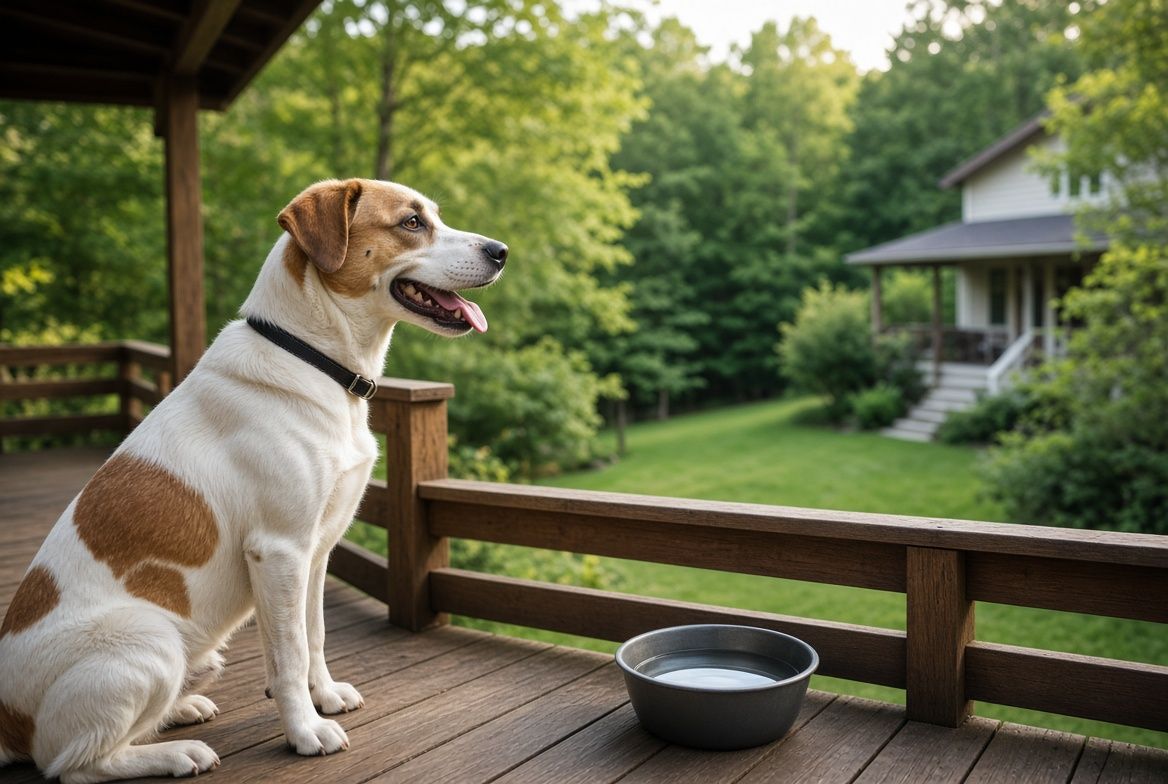
- Provide Shade and Water: Outdoor time in the summer? Make sure your yard or outdoor area has enough shade and access to fresh water to prevent overheating.
Keeping outdoor activities safe allows your dog to enjoy their environment while giving you peace of mind.
3. On-the-Go Travel Safety
Whether it’s a quick trip to the park or a road trip adventure, travel safety is just as important for your pup. Keep these tips in mind:
- Car Safety: Always secure your dog in the car with a harness or crate. Free-roaming in a vehicle can lead to accidents. Look into seatbelt restraints or crash-tested travel crates for added protection.
- Never Leave Them Alone in the Car: This one’s a no-brainer. Even on mild days, cars can heat up quickly, putting your dog at risk of heatstroke.
- Safe Walks: Use a sturdy leash and collar or harness when walking your dog. For extra safety, always bring ID tags and keep your dog microchip information up to date.
- Water and Breaks: Bring a collapsible water bowl and snacks for longer trips. Don’t forget to schedule frequent breaks for bathroom stops and stretching.
- First Aid Kit: Pack a small first aid kit specifically for your dog. Include items like gauze, antiseptic wipes, tweezers for splinters, and any necessary medications.
By making these small adjustments to your travel routine, you can ensure every trip is as safe as it is fun.
4. Emergency Preparedness
Life can be unpredictable, so having an emergency plan in place for your dog is crucial. Here’s how to be ready for the unexpected:
- Emergency Numbers: Have the contact information for your vet and the nearest 24/7 animal hospital saved in your phone and written down at home.
- Pet Evacuation Plan: Whether it’s a storm or unexpected evacuation, make sure you have an emergency travel kit for your pup with essentials like food, water, medications, and their leash.
- Identify Your Dog: Ensure they always wear a collar with an ID tag and that their microchip information (if they have one) is up to date.
- Training Commands for Safety: Teach basic commands like “stay,” “come,” and “drop it” to help keep your dog safe in emergencies.
- Know the Signs of Illness or Distress: From overheating to allergic reactions, being able to identify when your dog isn’t feeling well could save their life.
Preparation is the key to protecting your dog from life’s unexpected curveballs.
5. Everyday Mental and Physical Well-Being
A healthy, happy dog is a safe dog. Don’t overlook their mental and physical needs:
- Exercise: Regular activity like walks, games of fetch, or agility training keeps them fit and releases excess energy that could otherwise lead to destructive behaviors.
- Mental Stimulation: Use puzzle toys, treat-dispensing games, or even training sessions to keep their minds sharp.
- Regular Vet Checkups: Stay on top of vaccinations, flea and tick prevention, and yearly wellness exams.
- Diet: Feed a balanced, nutritious diet based on your vet’s recommendations. Keep track of portion sizes to avoid obesity.
A well-cared-for dog is less likely to get into trouble, and their contentment makes life better for you both.
Make Safety Your Priority
When it comes to your dog’s safety, awareness and preparation make all the difference. Whether it’s through pet-proofing your home, keeping outdoor spaces secure with tools like a hidden fence, or knowing how to stay calm in emergencies, you’re already on track to be the best protector your pup could ask for.
Your dog relies on you for everything—so why not go the extra mile? A safe dog is a happy dog, and a happy dog means you’ll sleep better at night knowing they’re living their best life.
Here’s to good times, wagging tails, and a lifetime of adventures together!
FAQs About Dog Safety and Hidden Fences
1. Are hidden fences safe for my dog?
Absolutely! Hidden fences, like DogWatch systems, are designed with your dog’s safety and health in mind. They use gentle signals to establish boundaries, ensuring your pet stays within safe zones. Unlike traditional fences, there’s no risk of injury from sharp edges or climbing attempts. Plus, DogWatch systems are customizable, so you can set training levels that suit your pet’s size and temperament. With proper training, your dog will quickly learn their boundaries without stress.
2. Will a hidden dog fence work for all breeds and sizes?
Yes, hidden fences are effective for dogs of all breeds and sizes! The adjustable receiver collars ensure a comfortable fit, whether you have a tiny Chihuahua or a large Great Dane. You can also tailor the system’s corrections to match your dog’s personality—timid pups might need softer cues, while more determined dogs may require stronger settings. DogWatch’s systems provide great flexibility, making hidden fences a versatile solution for every dog.
⭐ 5.0 stars · 689 Google reviews
"We could not get a regular fence because of our HOA, and the hidden fence was the perfect solution for us. It was more affordable than a traditional fence, and it has worked even with temptations like deer, cats, and other dogs."
— DogWatch customer, Alpharetta area
Meet the Owner
Brent Potvin, Owner, DogWatch of Atlanta/Athens
Brent has installed and serviced hidden pet fences across North Georgia for nearly 30 years, and still spends most days in the field. He and his wife Shannon have helped thousands of metro Atlanta families give their dogs safe, off-leash freedom.