Getting your dog outside for some fresh air and exercise is one of the best things you can do for them. Not only does it provide the opportunity to explore, learn new smells, and socialize with other dogs, but time outdoors also has numerous physical and mental benefits that make it an essential part of caring for your beloved pets. From offering a chance for your dog to exercise to getting vitamin D, letting your dog enjoy outdoor activities regularly can have long-lasting rewards—not just in terms of their health but also in providing them with a happier home life!
The Benefits
1. Good for Physical + Mental Health
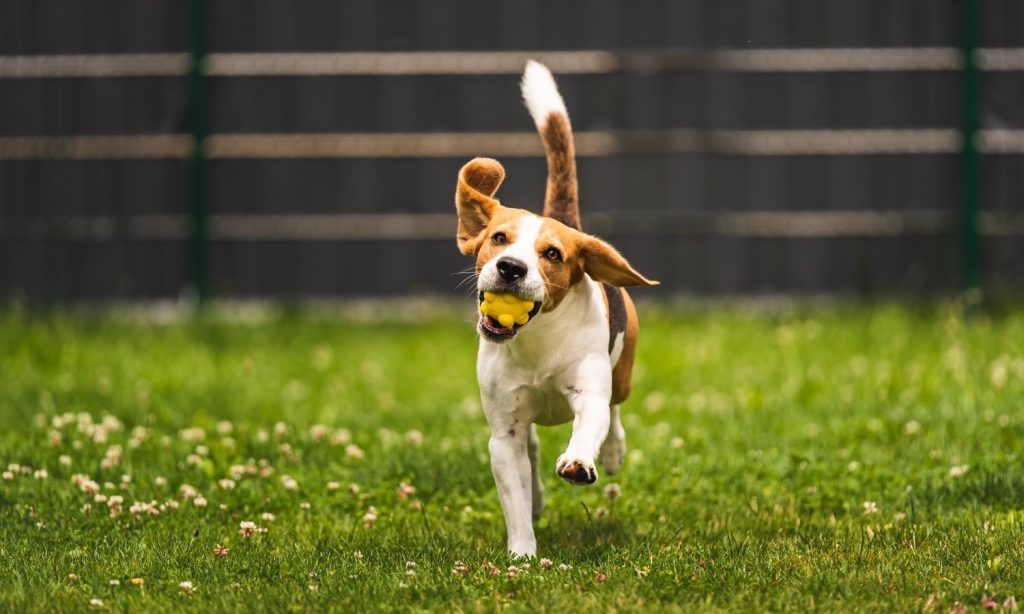
Dogs are naturally active animals, and they need plenty of movement to stay healthy both mentally and physically. In fact, a lack of activity can be seriously detrimental to their overall well-being and can cause a range of health issues such as gaining weight. Dogs need to burn off calories just as we do and going outside is one of the best ways for dogs to do that.
2. Entertainment
Dogs are naturally very curious creatures which is why most dogs love going on walks or being outside. The outdoors is filled with exciting things from finding new scents, sights, and sounds to meeting new people and animals. For a dog, every trip outside is a new adventure. It is so much more stimulating than being inside, where nothing really changes, especially when they are left home alone.
Unfortunately, most dogs are alone during the day, while their owners are off at work or school. This can cause boredom in your dog and with boredom comes laziness. Like with humans, laziness can result in behavior problems such as not playing with the family, irritability, and even depression.
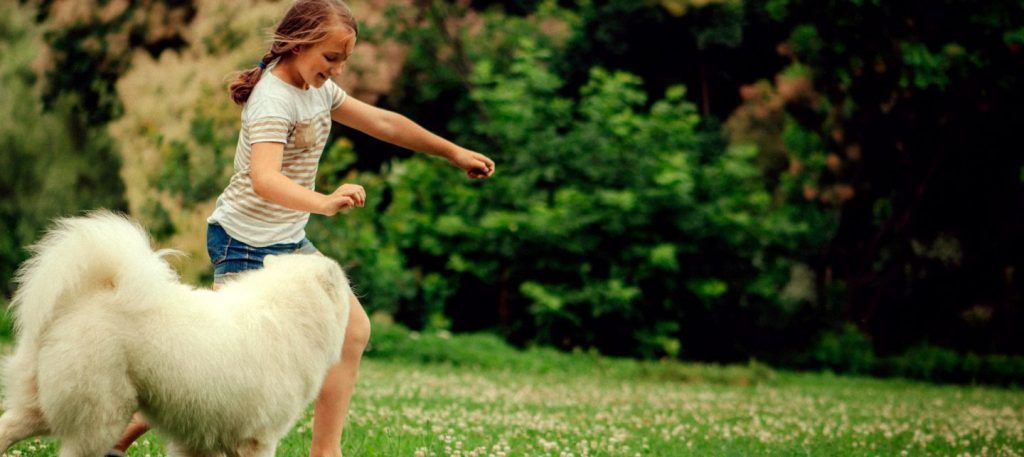
As much as dogs are curious, they are also extremely social. They love being in the company of others whether it is humans or other animals, so it's a good idea to plan to spend time with them outside. If they are left alone for too long outside, they might start developing undesirable habits such as digging or barking.
3. Vitamin D
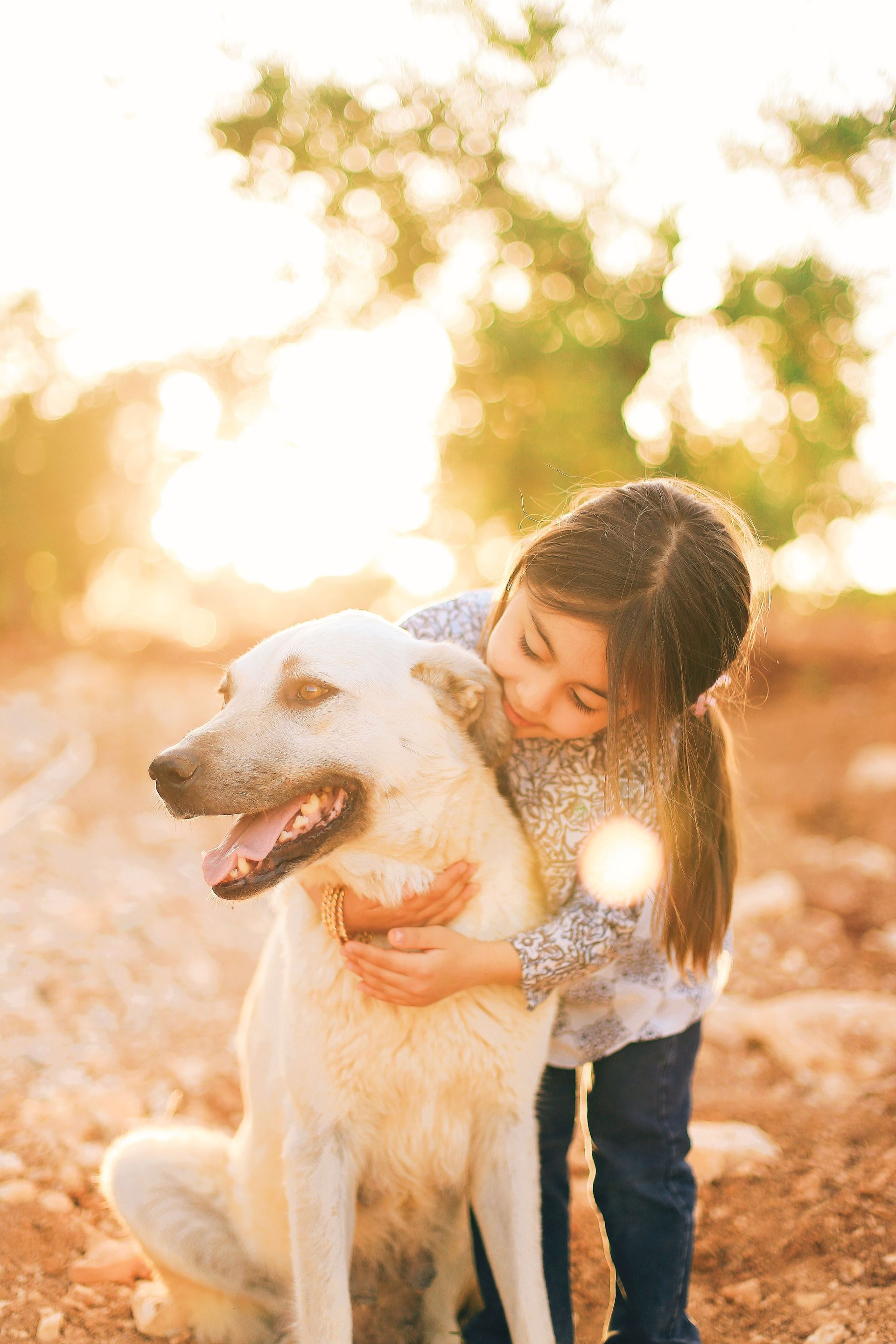
Dogs need good vitamin D just like people do and the best way to do that is through sunshine. By giving your dog time to sit outside, you'll be giving them a chance to absorb some vitamin D. Dogs are also able to get good vitamin D through their diet, so don't worry too much if there are days they don't get a chance to get some sun.
Never give vitamin D supplements to your dog, especially in large amounts, because they can cause damage to your dog's liver. If you are concerned about your dog's vitamin D levels, ask your veterinarian.
4. Freedom
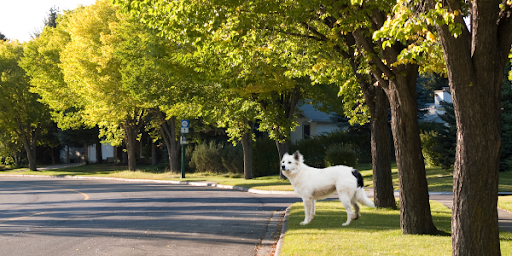
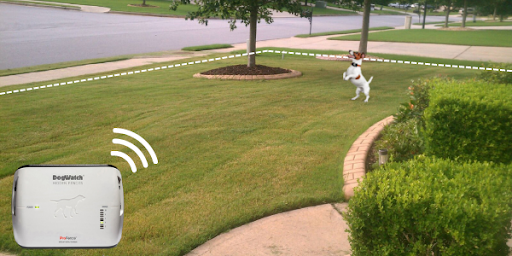
Being outside gives your dog a sense of freedom. This freedom is usually an illusion, because your dog will either be contained by a leash or a dog fence. But, to your dog's mind, they are free to explore.
Your dog is also free to relieve themselves. When they are stuck inside, they don't have the freedom to go when they need to, which is part of why dogs love being outside. They also love being able to mark their territory.
How Often Should They Be Outside
So how often should dogs be outside? Their five-minute bathroom breaks throughout the day don't count—it's not enough time for them to exercise and enjoy themselves. With that being said you don't want to go the extreme opposite and have them be outside by themselves all day or go on a five-mile hike.
A good timeframe to aim for is at least 30 minutes a day for walking or outdoor playtime. This varies though depending on your dog's specific needs. Some dog breeds require more exercise than others, while other dogs have individual preferences and you can usually tell if they enjoy being outside for longer or shorter periods of time. You'll also want to ensure you let your dog out to go to the bathroom at least three to five times a day, with no more than six to eight hours between trips.
You're also going to want to make sure that you don't leave your dogs outside alone for more than a few hours. They are social creatures and although they love the adventure of being outside, they still would rather spend their time with you. If you choose to let your dog have time outside while you aren't home, make sure they have a way to come back inside when they are ready. This is especially important when you consider how quickly the weather can turn. You don't want your dog to be stuck outside in a storm, especially if they fear thunder.
Be Mindful of the Temperatures
Hot Weather
How hot is too hot to walk your dog? How long can a dog be outside in the heat? These are important questions to ask and you should always consider them when you are taking your dog outside. Generally, if the temperature is under 68F, your dog should be fine but when the temperature rises over 77F you should be mindful of your dog developing heatstroke. You also have to consider other elements such as humidity and breezes as well as the size and breed of your dog which factors into how much they can tolerate.
So how do you take care of your dog during hot weather? The first thing you should do is plan your walk time during times of the day when it won't be so hot such as in the mornings or evenings. It is also important to check the ground temperature. You should hold the back of your hand against the ground, if it's too hot to hold for five seconds then it's too hot for your dog to walk on. You should also make sure to keep your dog hydrated.
Cold Weather
How cold is too cold to walk your dog? Once again, it depends on a multitude of factors. Medium and large dogs with thick coats can withstand temperatures 20F and above but usually for only 30 minutes. For smaller dogs with short coats, they may start to get uncomfortable with temperatures of 45F and below. You'll also want to consider things like snow, wind chill, and the amount of time you are planning on being outside.
If it is too cold for your dog, they will tell you. You should be mindful if your dog starts whining, shaking, or starts walking slowly with shallow breathing. Another sign is if your dog starts lifting or licking their paws or has their tail tucked.
The outdoors has so much to offer dogs—playing in the sun gets them some much-needed mental and physical stimulation that they can't get when they are stuck indoors all the time. So, if you want to give your dog some fresh air and exercise with peace of mind, consider having a custom wireless dog fence
installed in your yard. A hidden fence is convenient, efficient, and affordable—so give DogWatch a call today to learn more about their customizable plans tailored specifically to your needs! You won't regret it – your dog will love the newfound sense of freedom!